

LLÚRIA
LORDS AND LADIES OF THE EARTH
The year 2025 marks the 720th anniversary of the death of the Grand Admiral of the Crown of Aragon, the nobleman from Calabria. Roger de Llúria which took place in January 1305. Llúria became, thanks to his military merits, one of the main driving forces behind the expansionist policy of the Crown of Aragon towards the Mediterranean, as proposed by the kings of the Crown of Aragon, James I, Peter III, James II, Alfonso IV and Peter IV.
In addition, as a nobleman resident in the territories of the former Kingdom of Valencia, he obtained numerous privileges and properties, among which the following stand out due to their importance castra of Calp and Cocentaina. Both territories, together with others such as Alcoi and Puig de Santa María, made him one of the most important lords of the second half of the 13th century and the beginning of the 14th century, an important period in our Valencian history, when what we know today as the Valencian Community was forged, the land that today identifies us as a people.
HEADQUARTERS
COCENTAINA
FROM OCTOBER 2025 TO OCTOBER 2026
THE PALAU COMTAL
SCHEDULE:
Tuesday to Saturday from 10am to 1pm and 5pm to 8pm.
Saturdays and Sundays: from 10 am to 1 pm.
Ticket price: 1,50€. Payment by credit card only.
Pl. El Pla s/n
Contact: Tel. 686424506

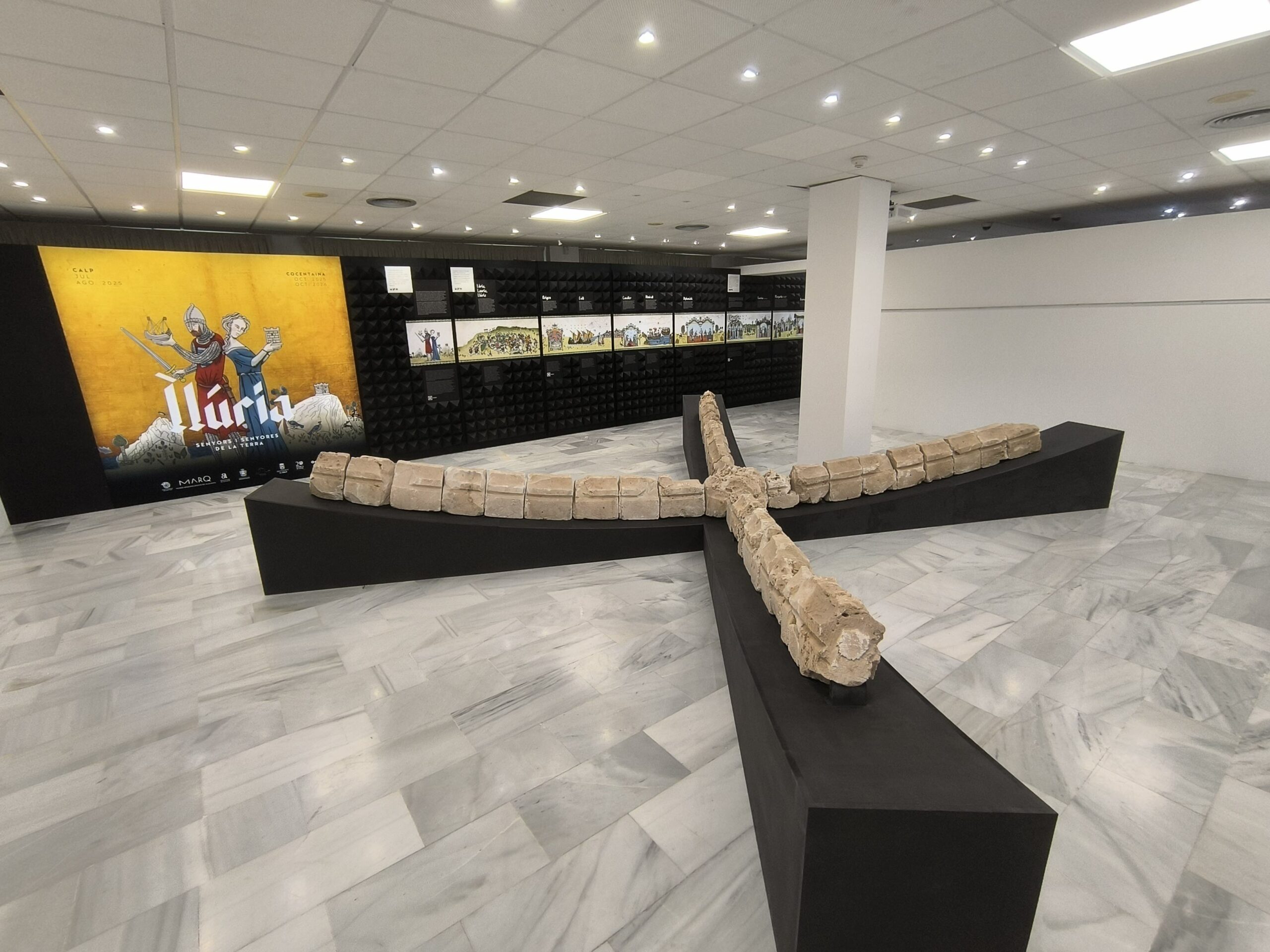
For this reason, the Diputación de Alicante, through the MARQ Museo Arqueológico de Alicante and the Fundación C.V. MARQ have joined forces with the Town Council of Calp and the Town Council of Cocentaina, two of the municipalities that were key in the evolution of the territory controlled by the admiral to produce the exhibition. Llúria, Lords and Ladies of the Earth which brings together the main milestones of the figure of these historical figures and highlights the value of the material trace we currently possess of them.
Both Calp and Cocentaina have expressed their interest in organising a series of cultural events and activities around the YEAR LLÚRIAto celebrate the history of both towns, to highlight the value of the material culture that we preserve and to disseminate the figure of these two historical figures who marked the evolution and development of both municipalities.
Despite the capital importance that this character and his family had in the history of our land, he is a character who is scarcely divulged to the general public. For this reason, it is considered necessary to recover this transcendental figure in order to understand the configuration of the territory of the current north of the province of Alicante.
In this same year, 2025, we also commemorate the 700th anniversary of the death of Saurina de EntenzaSaurina was a noblewoman from one of the great families of the Crown of Aragon in medieval times and the second wife of Roger de Llúria, who died in 1325. On the death of the admiral in 1305, Saurina took charge, together with the tutors established by the crown, of the management of the House of Llúria in view of the young age of his sons.
Faced with the untimely death of both men, Saurina acted as a "dómina in pectore"The key and fundamental part of his will is his testament, which establishes the territorial division between the different living daughters of the admiral, Beatriz, Jofredina and, above all, Margarita de Llúria y Entenza, the direct daughter of the couple, who became in 1325, due to Saurina's wishes and after hard negotiations with Pedro IV of Aragon, in domina with all the rights of the castrum of Calp and Altea, and was one of the few women to be able to take over the seigniorial power of her territory.
Because of its position as "woman from"The figure of Saurina has been little valued by historiography until, thanks to the latest research carried out by the MARQ, his role as an agent for the survival of his family in an era of enormous feudal competition for the rich territories of the old Kingdom of Valencia has been highlighted.
His figure, exempt from the military merits of the time, but carrying in his blood and character the weight of one of the most noble and prestigious families of the Crown of Aragon, must be vindicated and put on a par with that of his spouse, as he managed and administered the family territory, promoting such important works as the Torre Condal del Castell, the first domus which will give rise to the Palau Comtal de Cocentaina or the reconstruction of the medieval wall of this town, as well as pious works of enormous historical value such as the Royal Convent of Santa Clara in Xátiva, of which she was the first abbess, or the Church of Santa María del Puig, a work completed by her daughter Margarita.
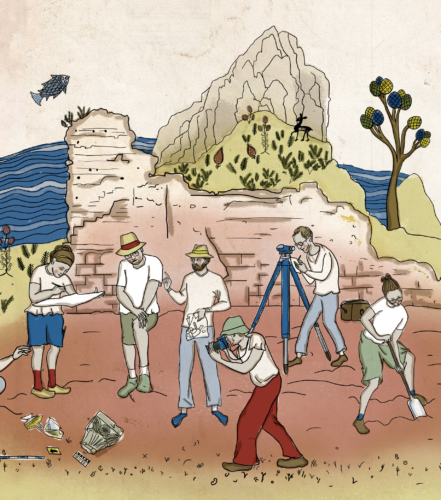
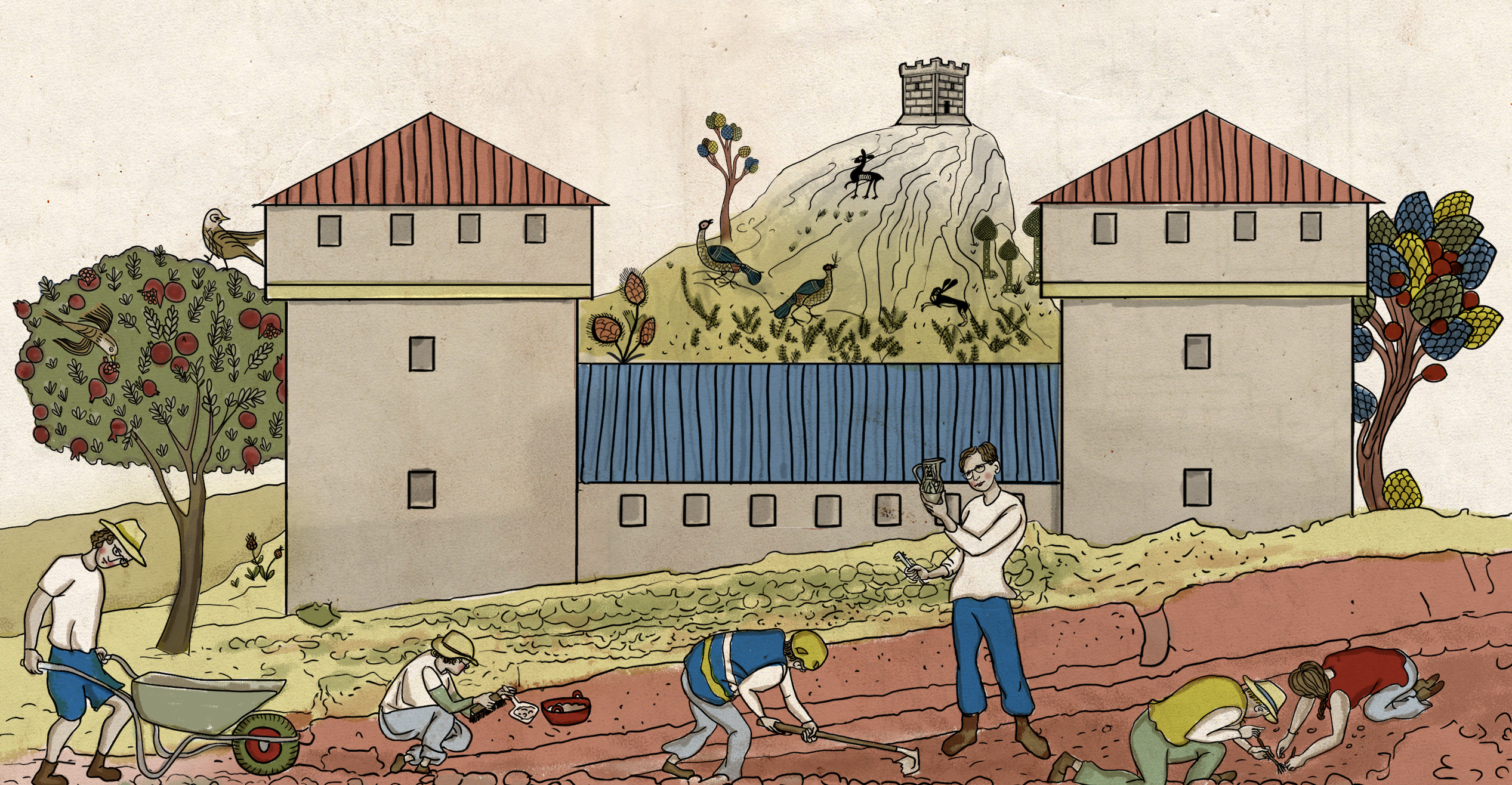
For this reason, the Diputación de Alicante, through the MARQ Archaeological Museum of Alicante, has made important discoveries around the figure of these historical figures in enclaves controlled by the Casa de Llúria, such as in Pobla de Ifach, one of the leading archaeological sites in the study of the feudal period in the Valencian territory. Precisely in this year 2025, will also be celebrated the 20TH ANNIVERSARY The start of the research project in Pobla de Ifach (2005-2025), which gives even more strength to the realisation of this exhibition and the events that can be organised in parallel around it.
SHOWROOM
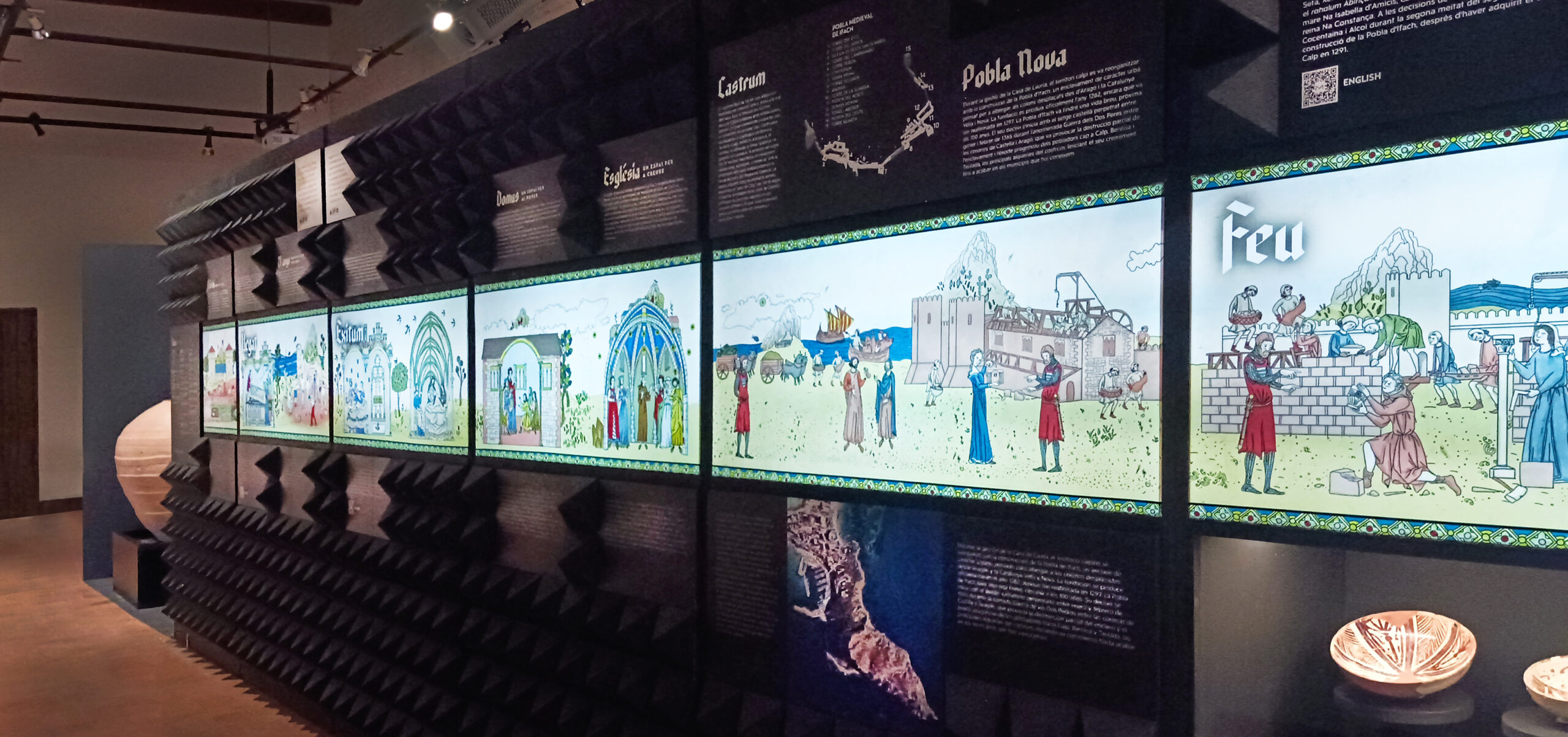
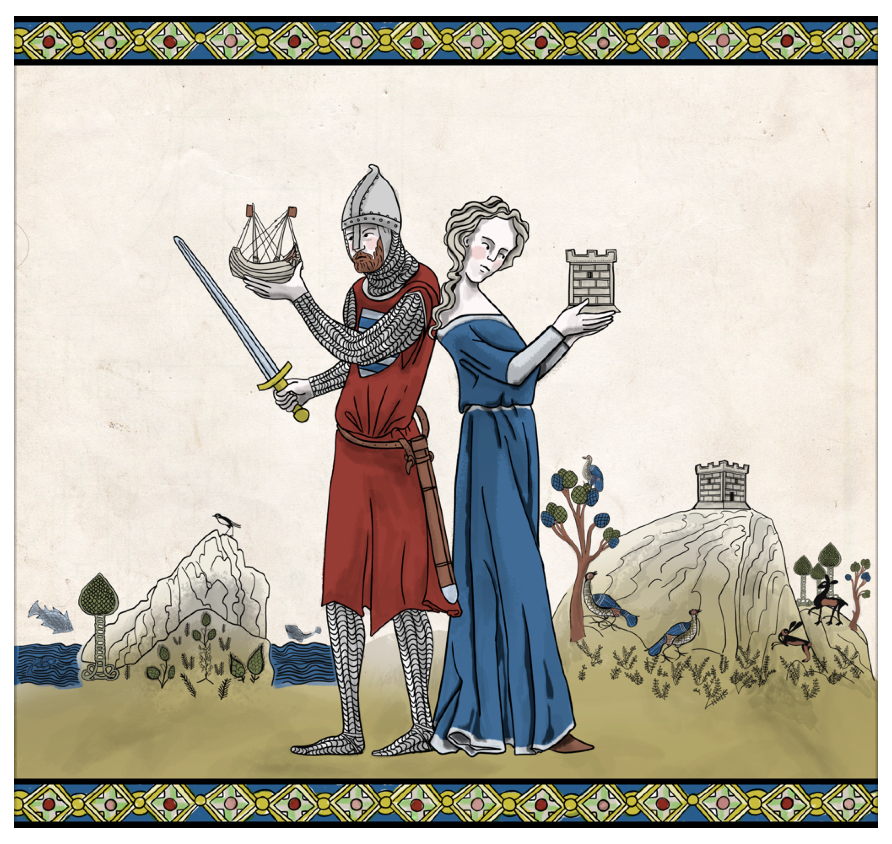
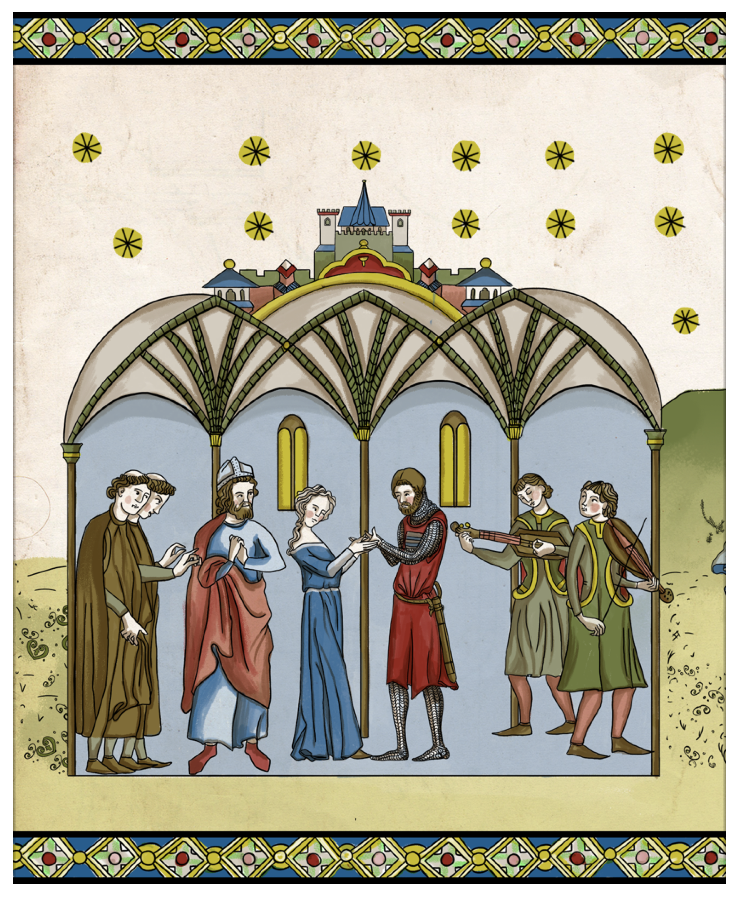
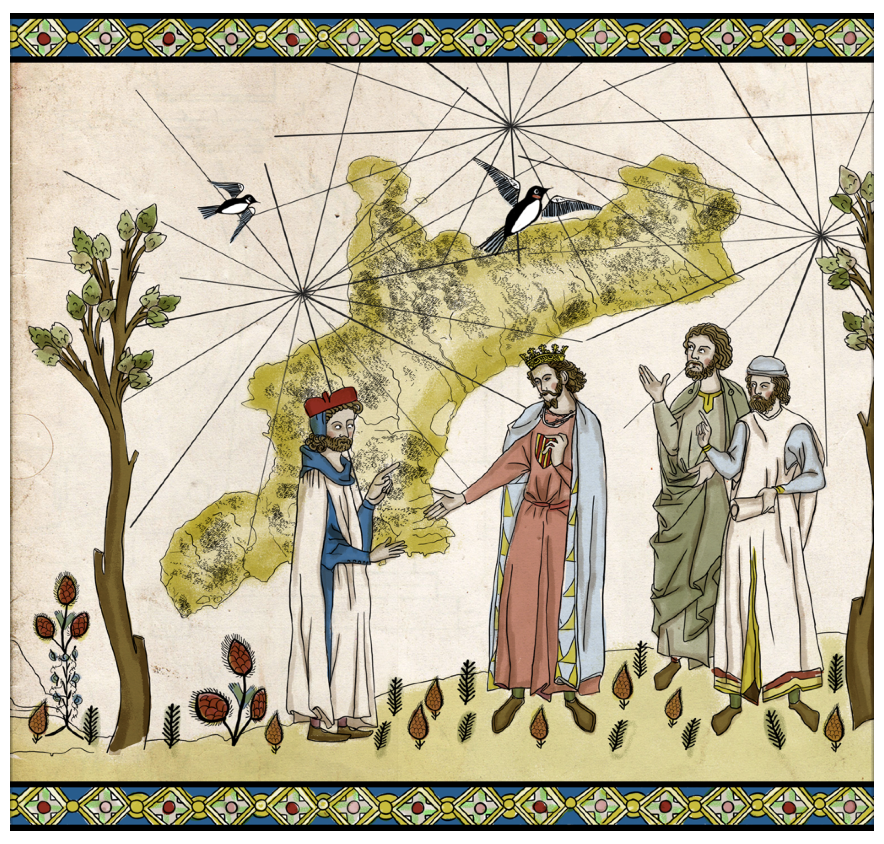
HIGHLIGHTS
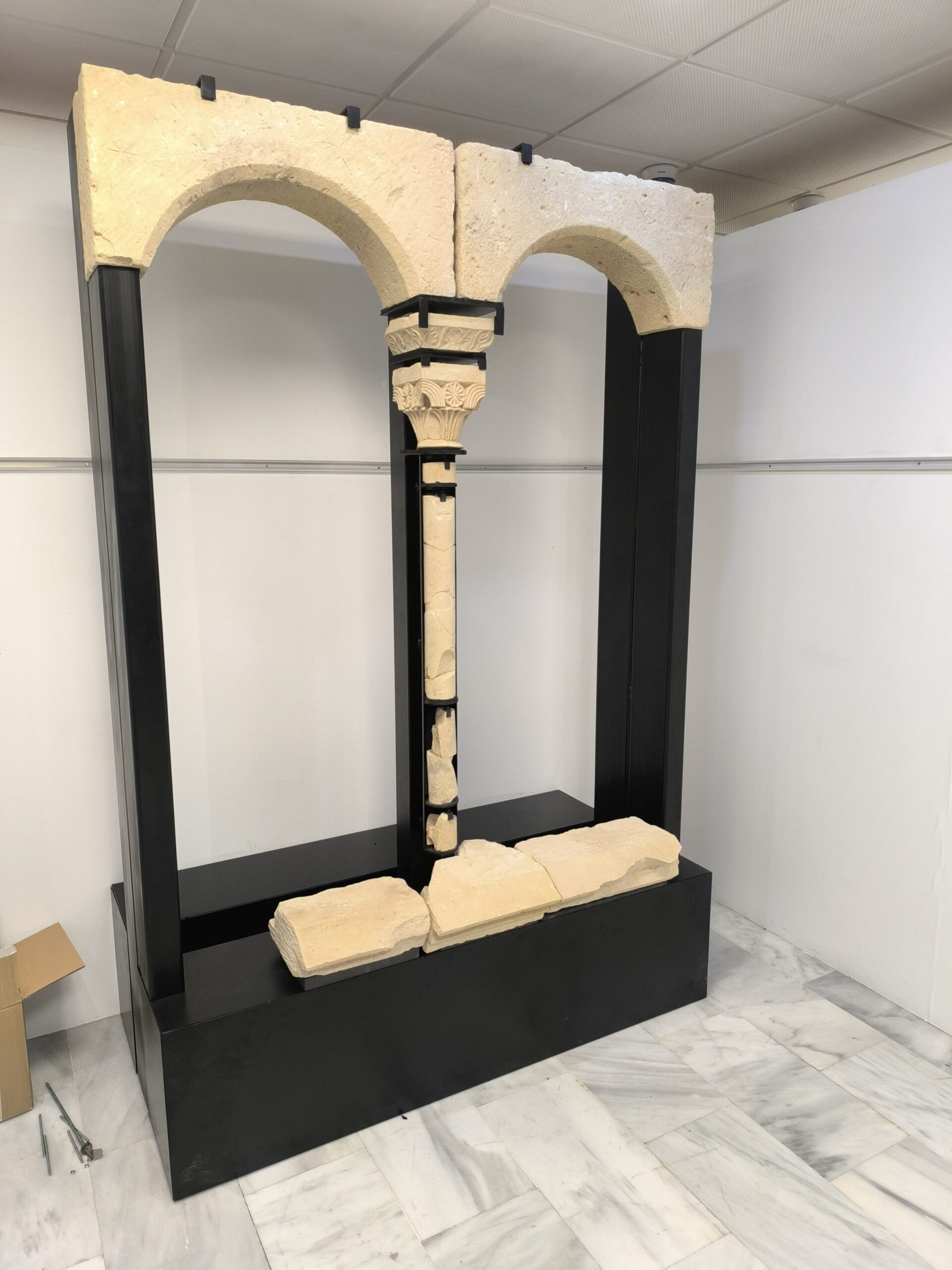
Gothic window of the Domus Domini de la Pobla de Ifach
First half of the 14th century
MARQ Archaeological Museum of Alicante
La Pobla de Ifach has an impressive building, dedicated to being the residence of the Casa de Llúria in the territory. It was built at the beginning of the 14th century and has two floors and a height of 14 metres. The lower floor was used for the guard service that watched over the North Gate and for the kitchens, where the food of the members of the family was prepared while they were living there, or of their representatives. On the upper floor, there was a room of about 100 square metres, illuminated by five mullioned windows of the coronella type, with semi-circular and trefoil arches, with a mullion in the centre crowned with a capital of dodecapetalous rosettes. This type of window was mass-produced and carved in the workshops of the city of Girona by a large school of artists who worked on the construction of churches, monasteries or stately homes such as the one that has been discovered in Ifach.
Chapel vault of the Gothic Church of Beata Santa María de Ifach
First half of the 14th century
MARQ Archaeological Museum of Alicante
This impressive vault, made up of 37 pieces of carved ashlar, supported the ceiling of one of the Gothic chapels of the Beata Santa María church in Pobla de Ifach. It was discovered in 2009, and is one of the most important pieces recovered in these 20 years of work in Pobla de Ifach. The main piece of this vault, its keystone, was probably decorated with a circular wooden tondo with the emblem of Casa de Llúria, which was held in place by two nails that can still be seen on it. The church was promoted by the goddess Margarita de Llúria y Entenza, daughter of Admiral Roger de Llúria and Saurina de Entenza, and its construction began in 1343.