
FIGUERAS PACHECO
EARTH
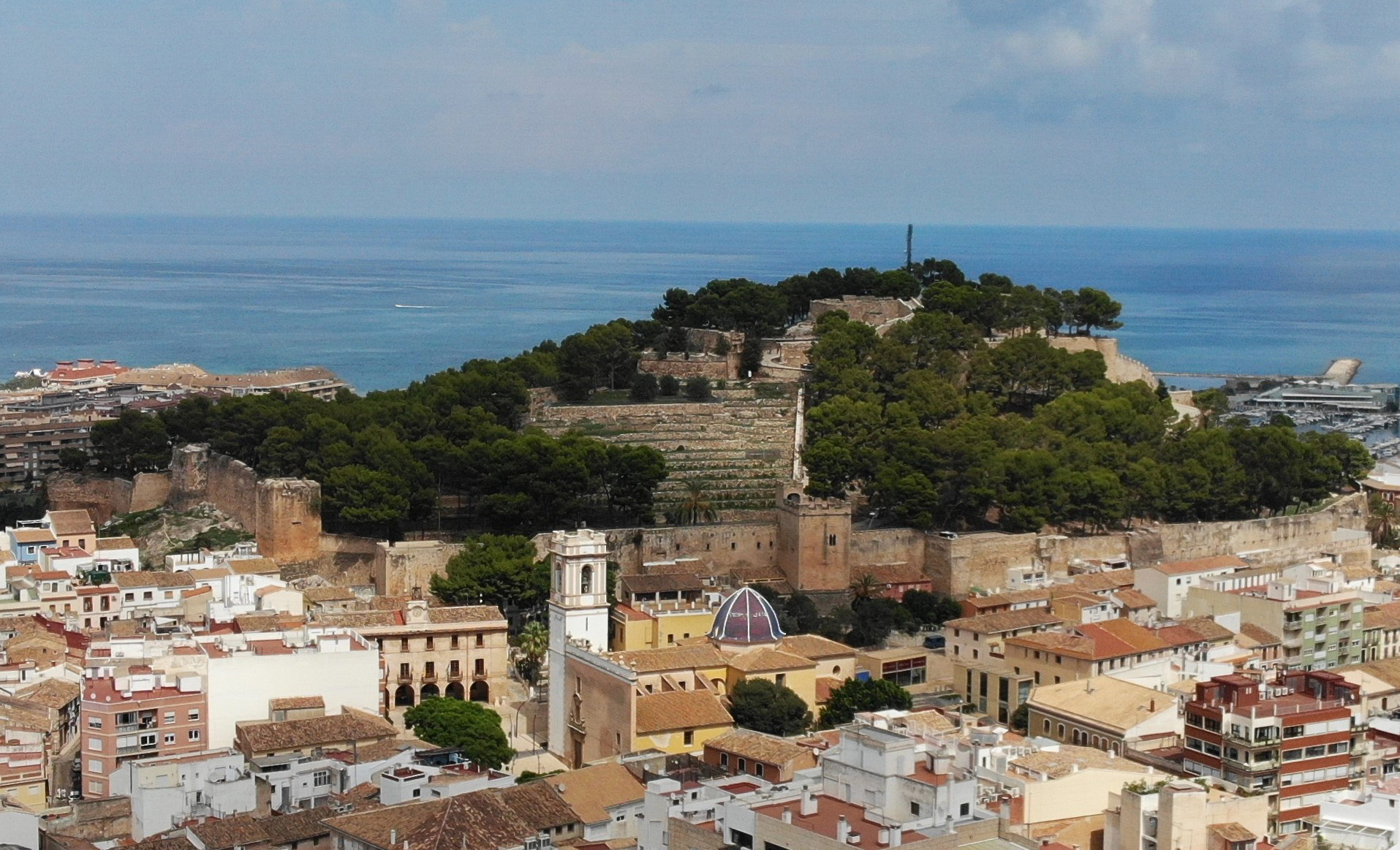
The other axis of the city of Denia that the exhibition deals with is its intense materiality, expressed in a large number of objects from more than forty years of development of an Urban Archaeology programme, which are nothing more than the expression of its historical evolution.
In room two we will contemplate the urban planning linked to the Roman city and its port buildings, the layout and nature of its necropolis and its funerary offerings. Or the articulation of its territory in the villae farm management with the figlinae or amphora manufacturing centres, such as the one at l'Almadrava. The material imprints of the prodigious DāniyaThe medina of commercial districts and a large and densely populated port suburb, artisan districts with an intense productive life expressed through its more than twenty pottery kilns, and its many cemeteries. It is followed by the medieval town secluded in the castle and its splendid suburb, which in 1612 received the title of city from the hands of Philip III. These are the beginnings of an urban centre which, after experiencing the boom derived from the sultana trade throughout the 19th century, plunged into a crisis which it was able to turn into an opportunity with the development of a colourful toy industry.
Highlights
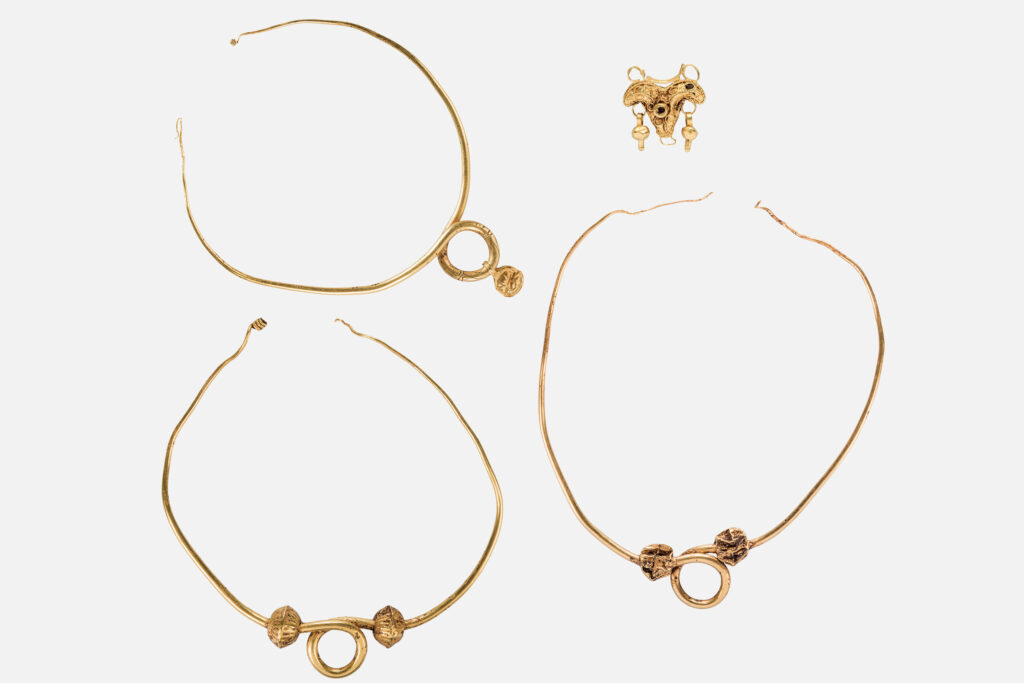
THE TREASURE OF THE PENYA DE L'ÀGUILA
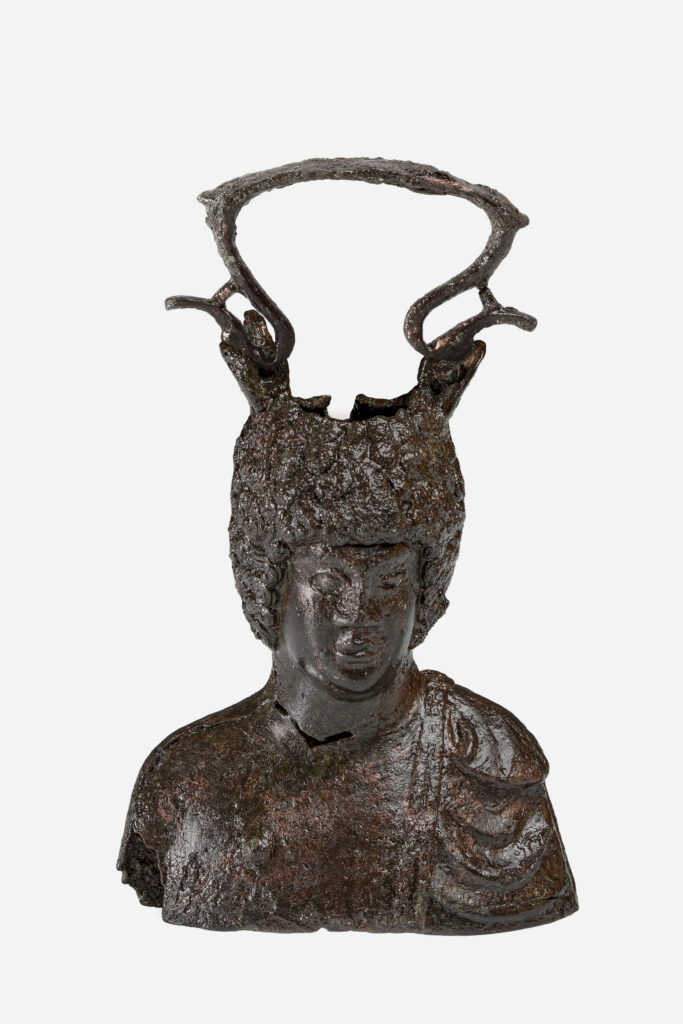
VESSEL IN THE FORM OF A BUST OF MERCURY
Gold
Montgó. Dénia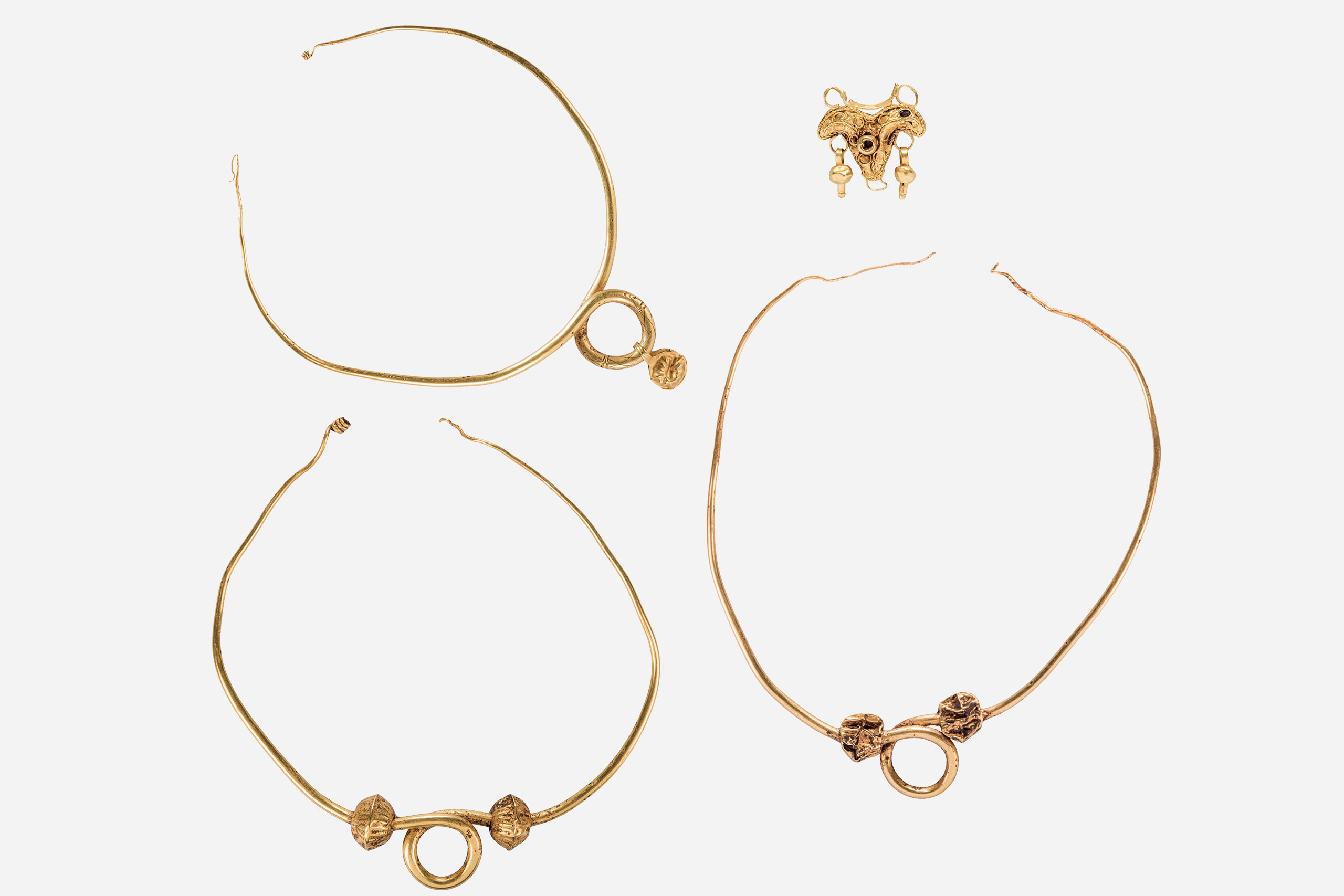
VESSEL IN THE FORM OF A BUST OF MERCURY
VESSEL IN THE FORM OF A BUST OF MERCURY
Bronze
Dianium. Pont Street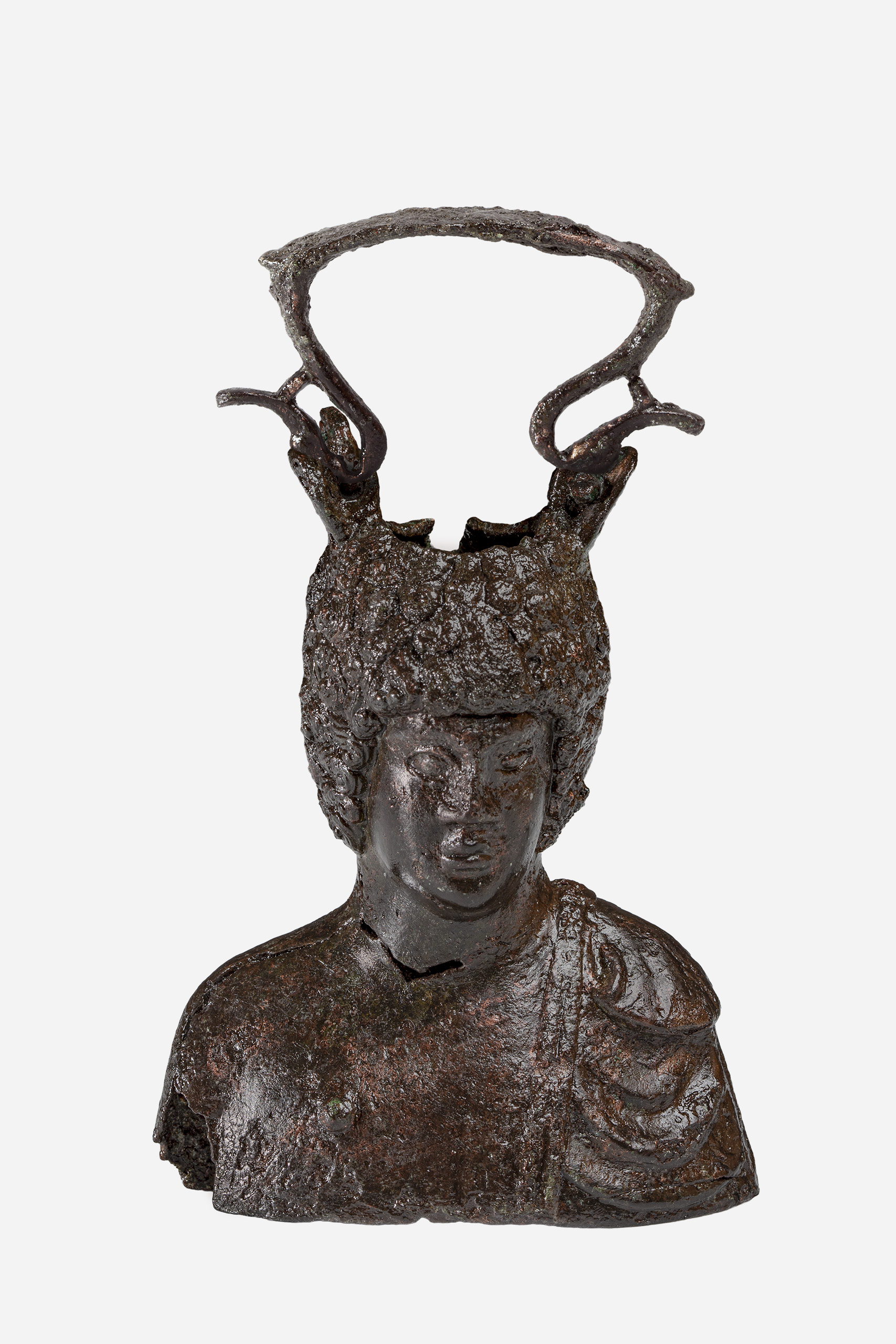
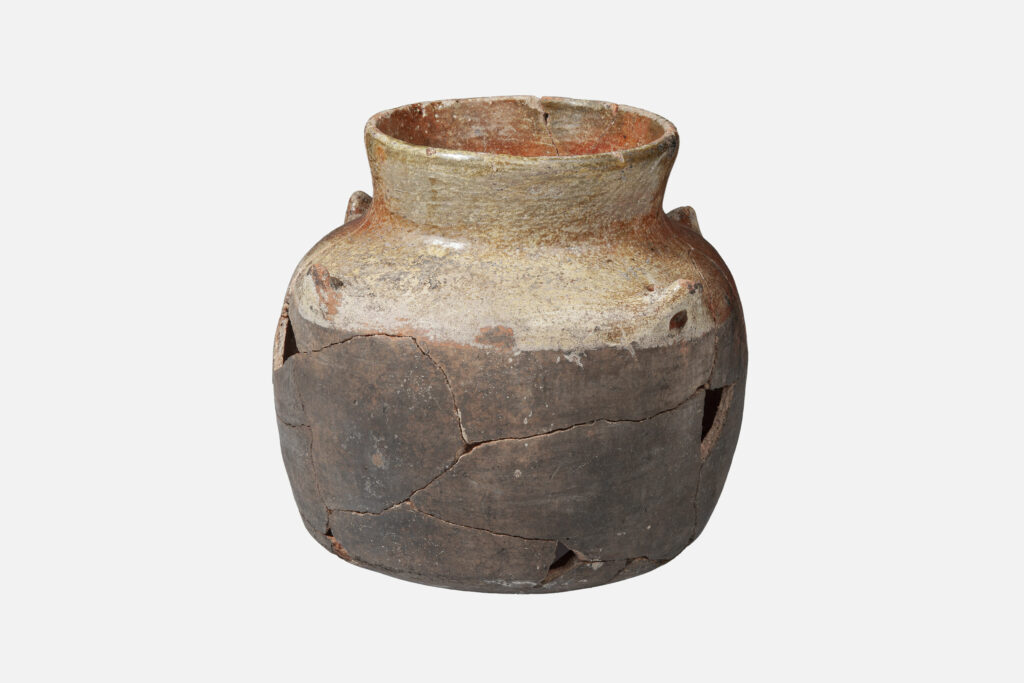
MARMITA
MARMITA
Ceramics
Dāniya. Rabal. El Fortí. Manuel Muñoz Street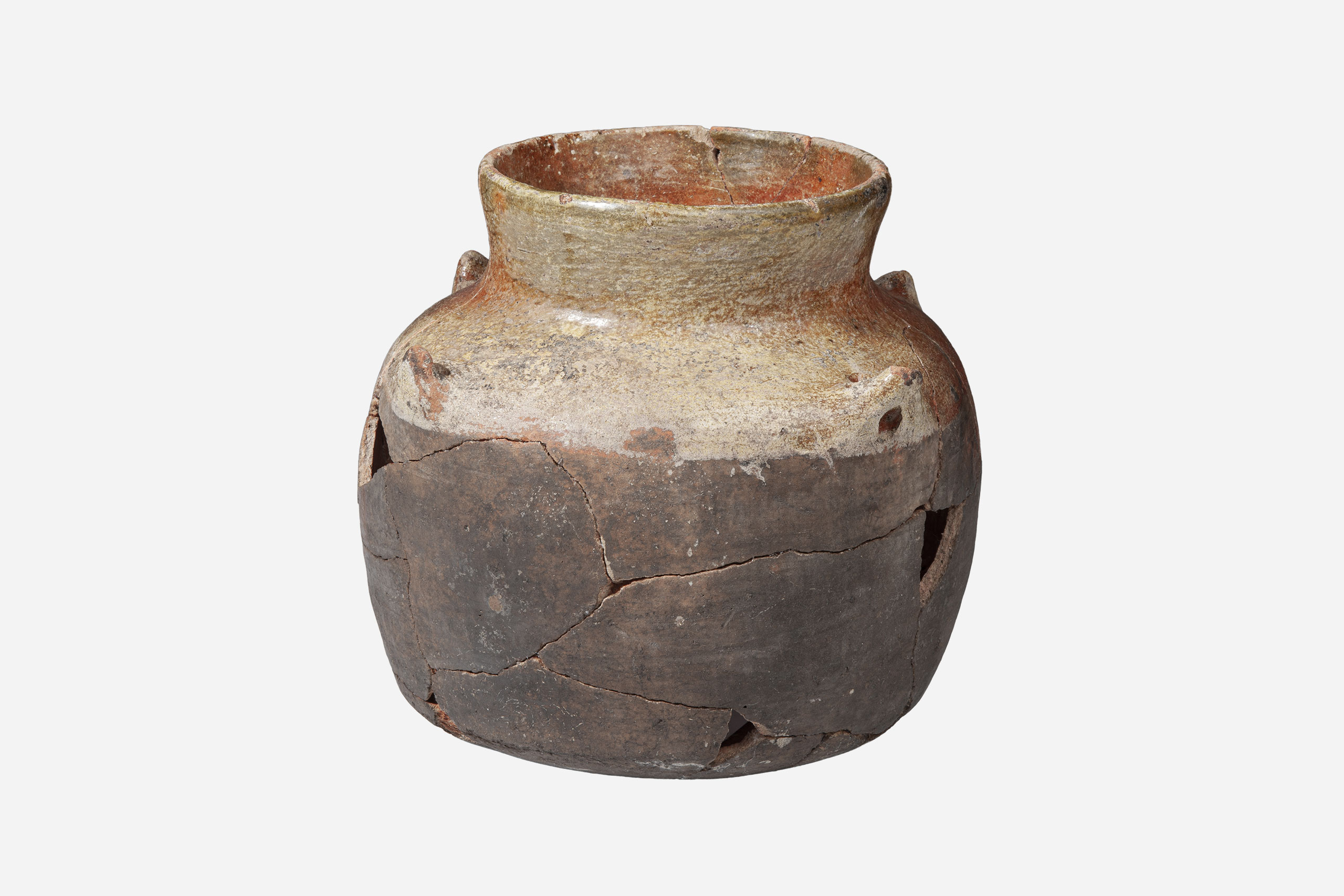
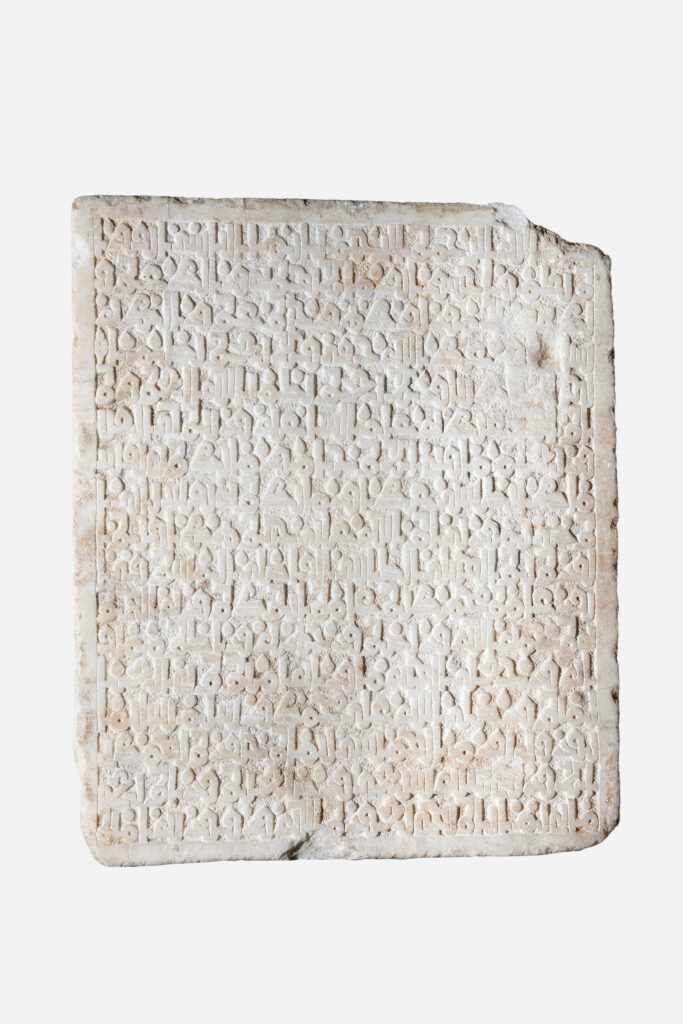
FUNERARY STELE OF VIZIER ABŪ 'ĀMIR MUHAMMAD IBN 'ĀMIR IBN DHARWA AL-JABIRĪ
FUNERARY STELE OF VIZIER ABŪ 'ĀMIR MUHAMMAD IBN 'ĀMIR IBN DHARWA AL-JABIRĪ
Marble
Louvre Museum. Department of Islamic Arts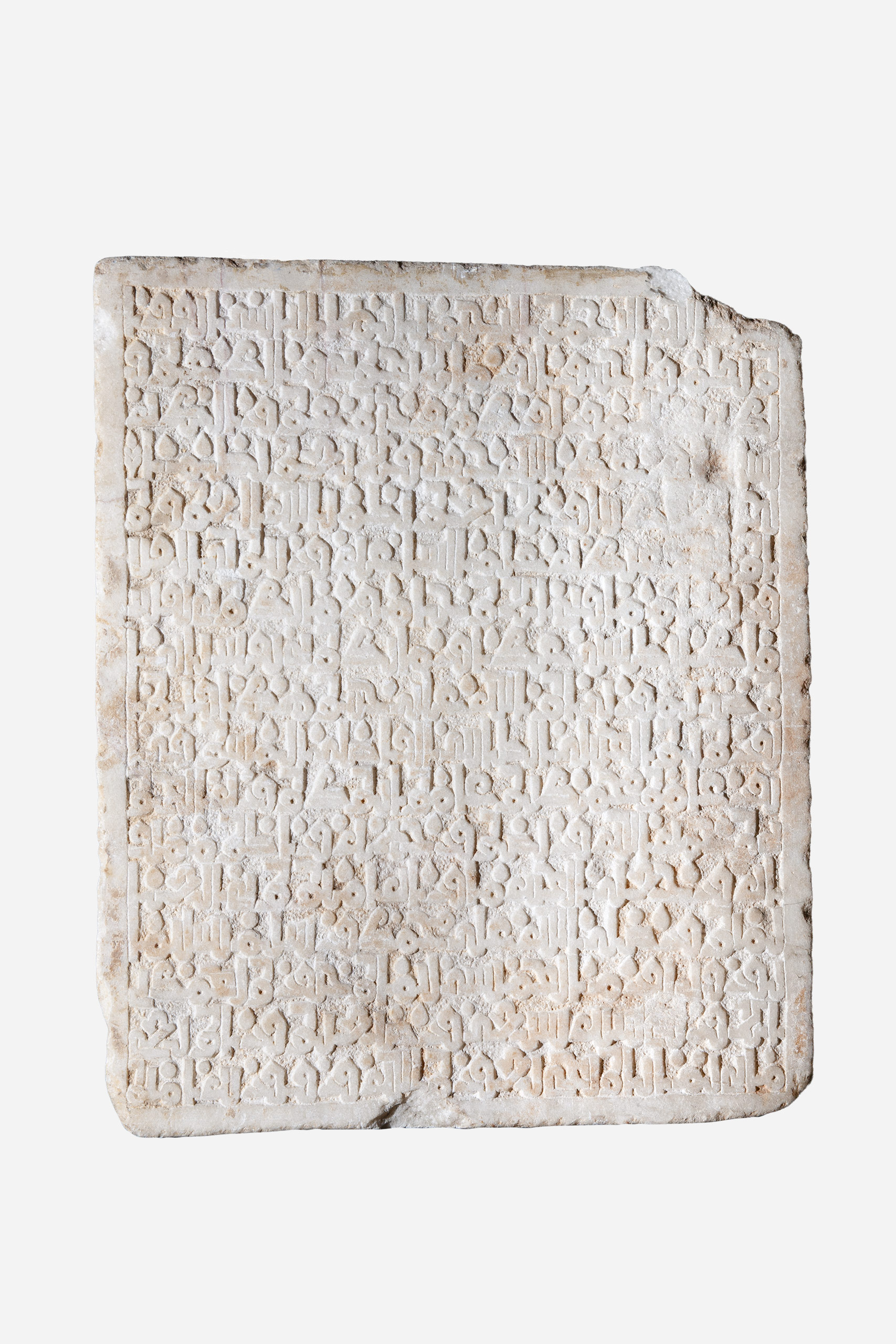
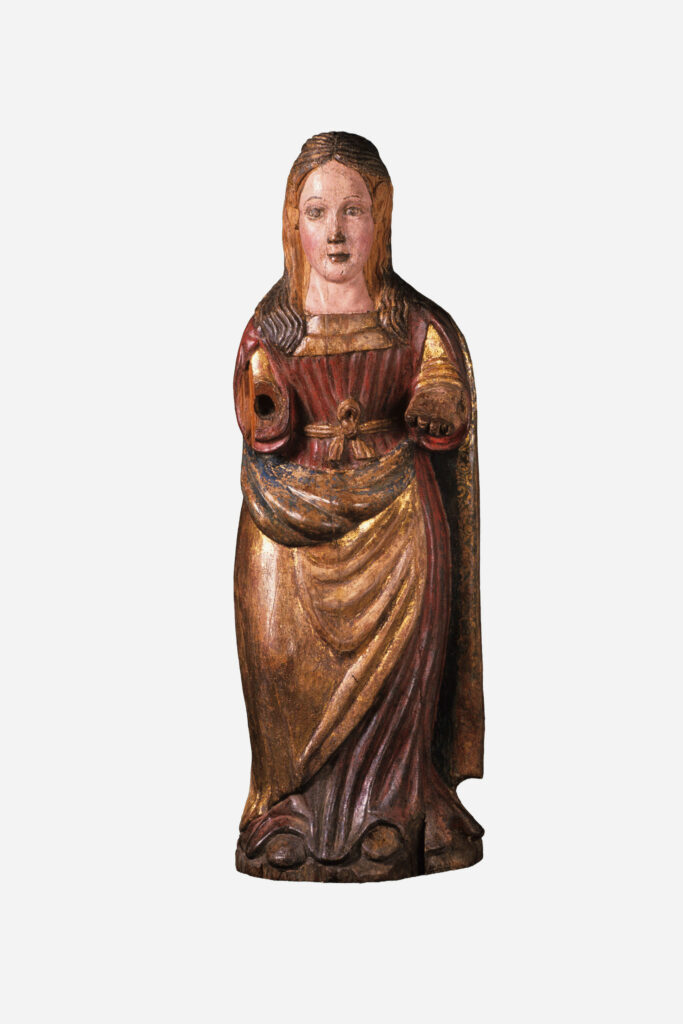
VERGE DEL ROSER
VERGE DEL ROSER
Polychrome wood Dénia
Church of La Vila. MARQ Castle.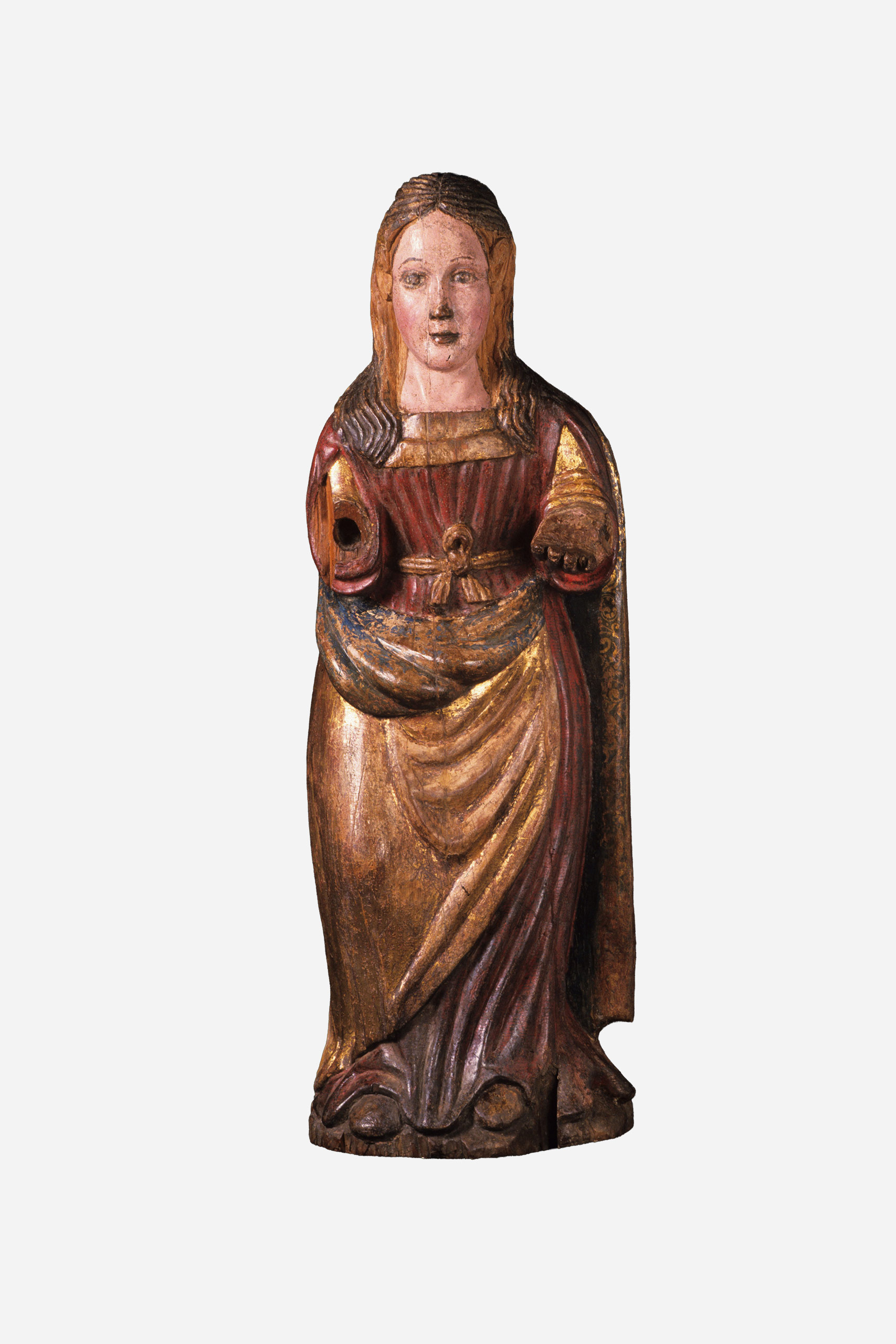
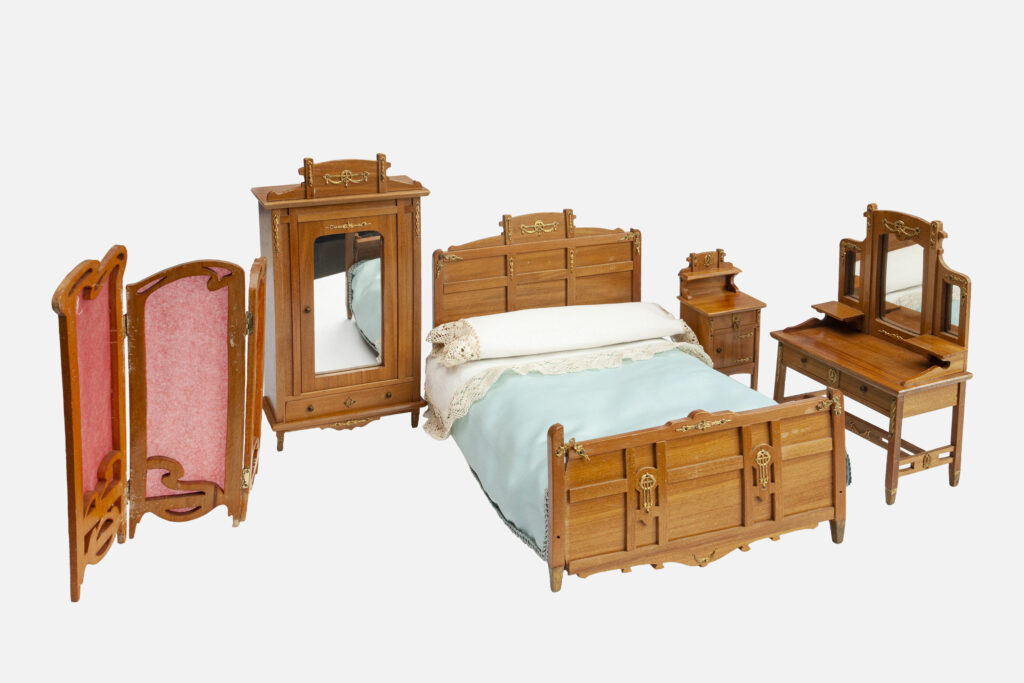
SET OF FURNITURE
SET OF FURNITURE
Wood, metal, paper, mirror and fabric
Ethnological Museum of Denia. Donation: Riera Bosch Sisters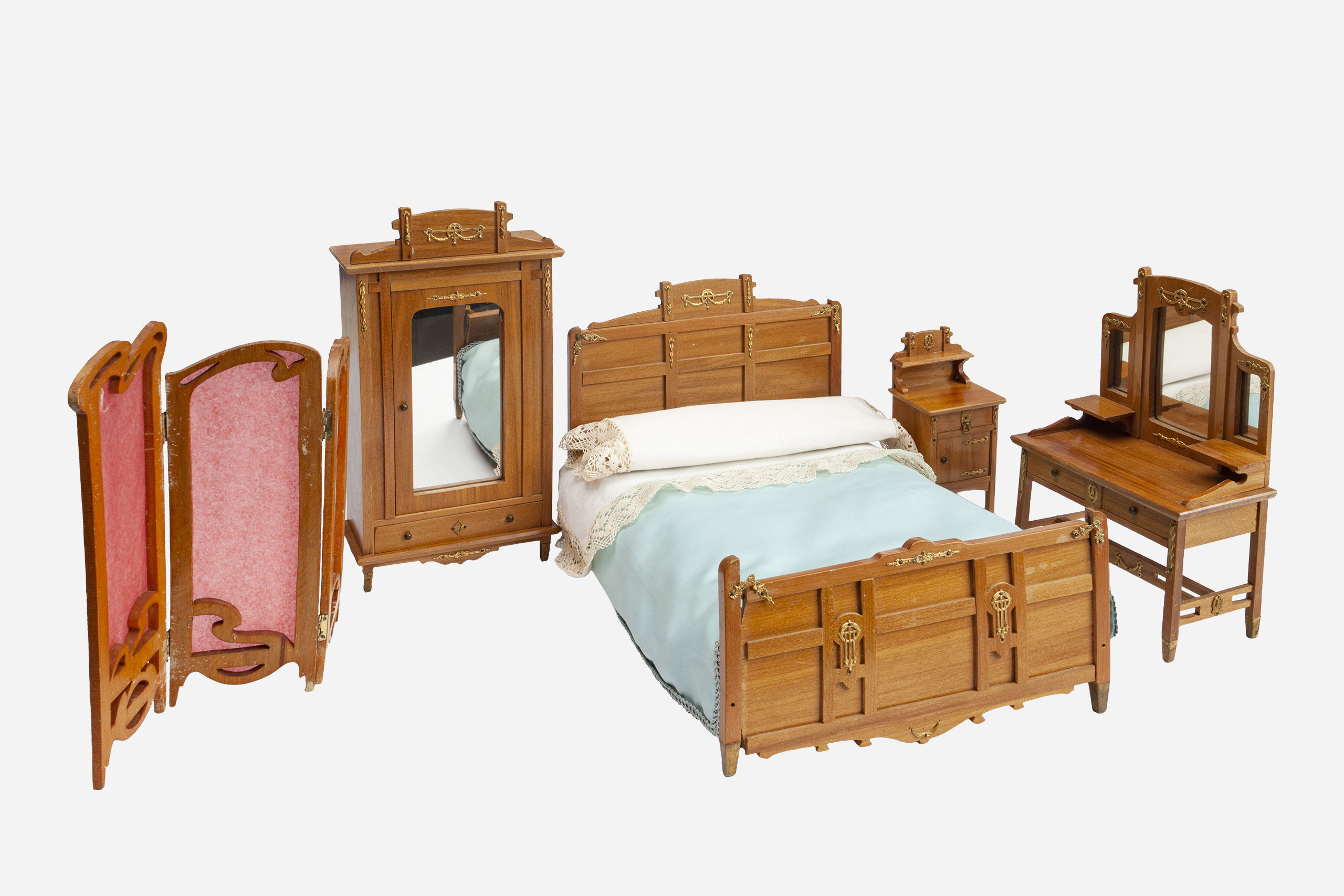
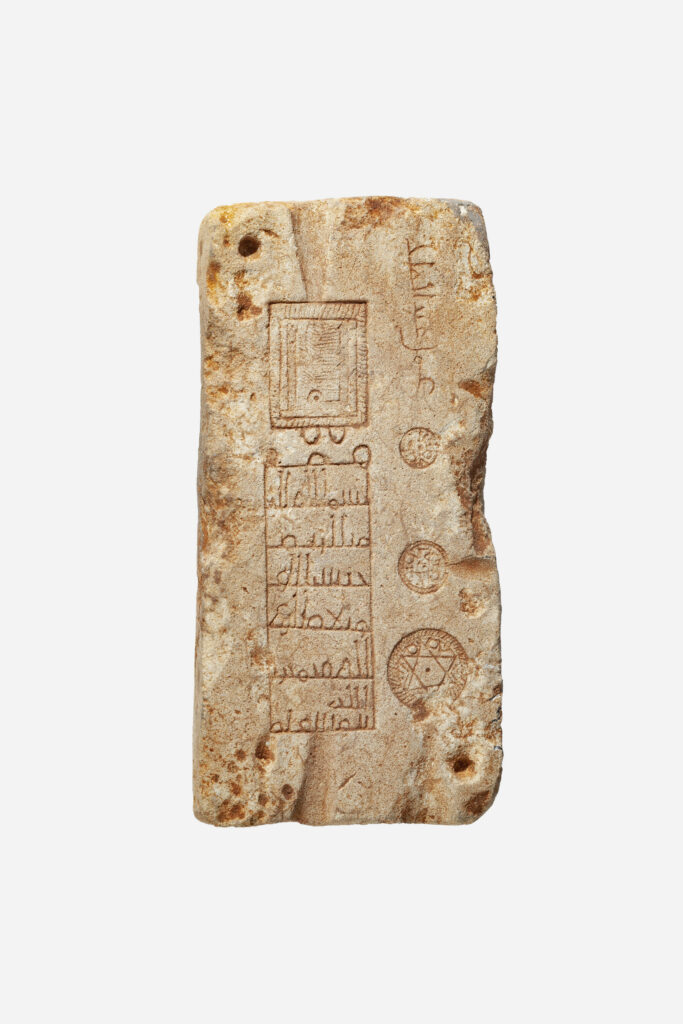
CASTING MOULD AND POSITIVE
CASTING MOULD AND POSITIVE
Stone
Dāniya. Raval. El Fortí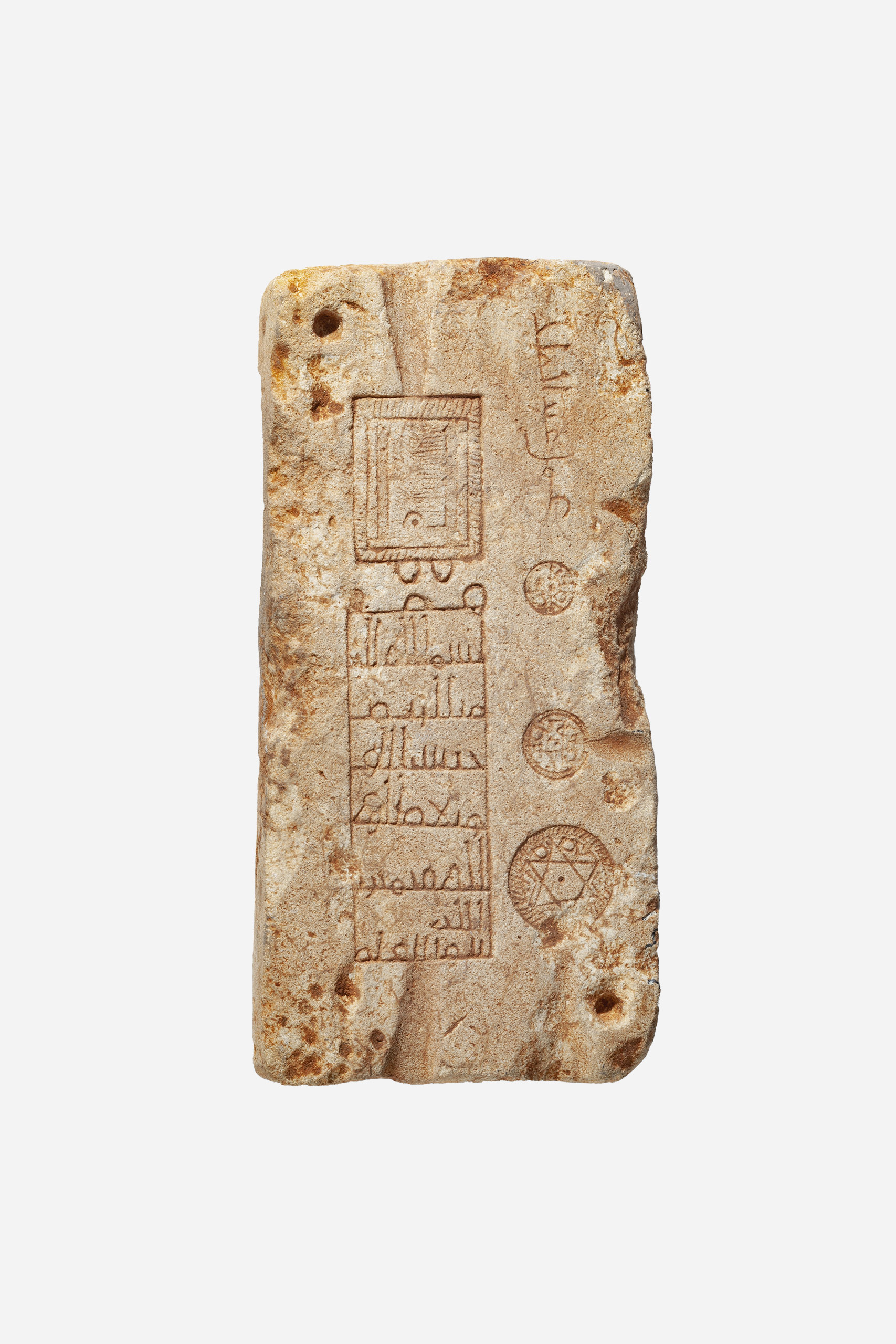
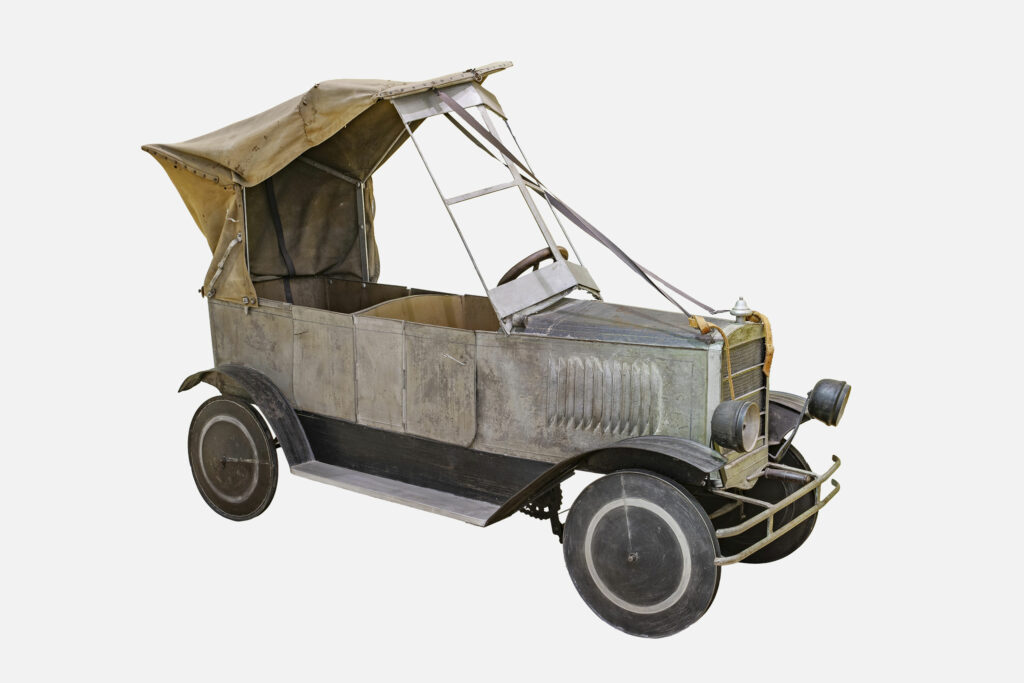
PEDAL CAR
PEDAL CAR
Tin, iron, wood, leather, leather and cloth
Dénia Toy Museum. Dénia Toy Collection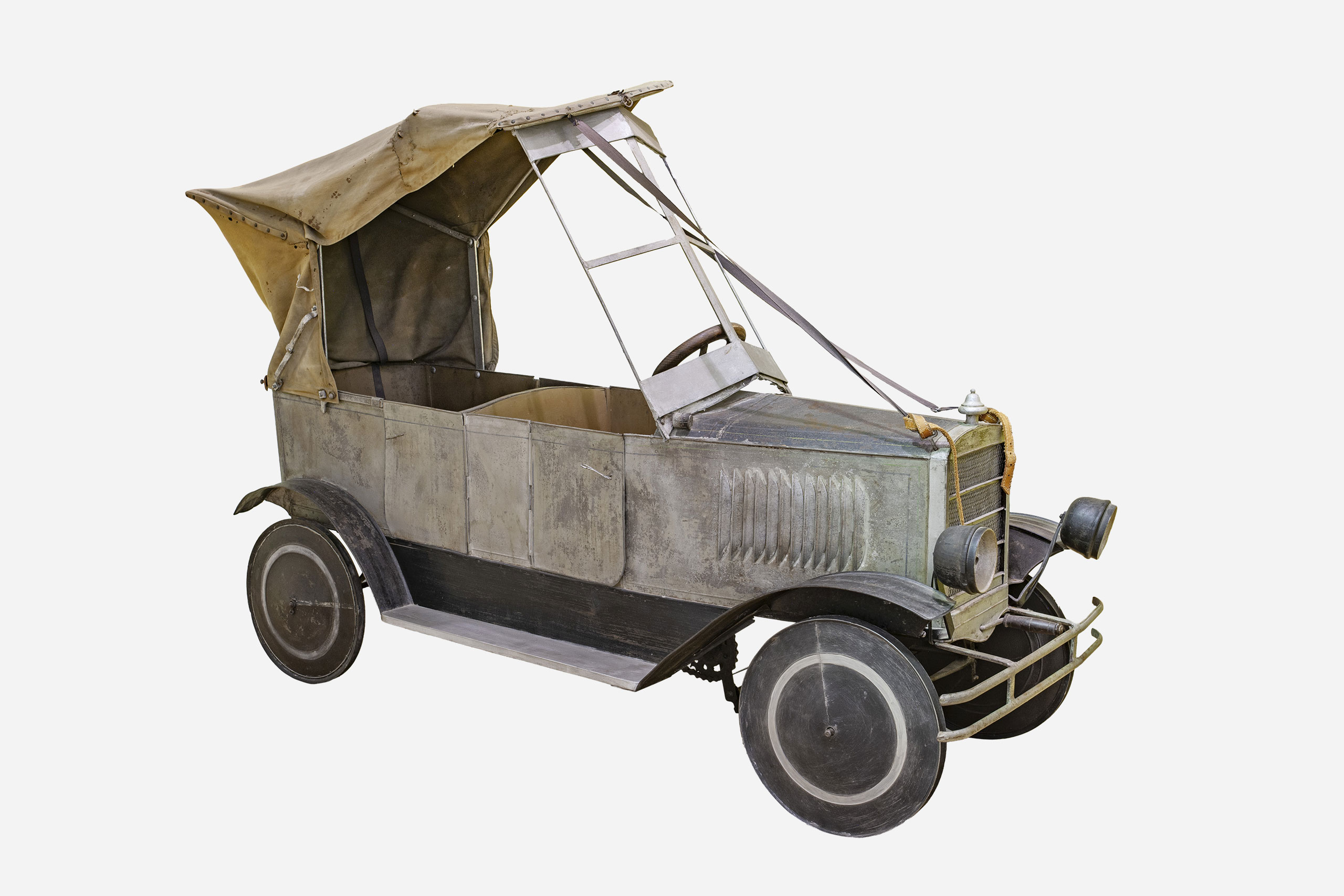
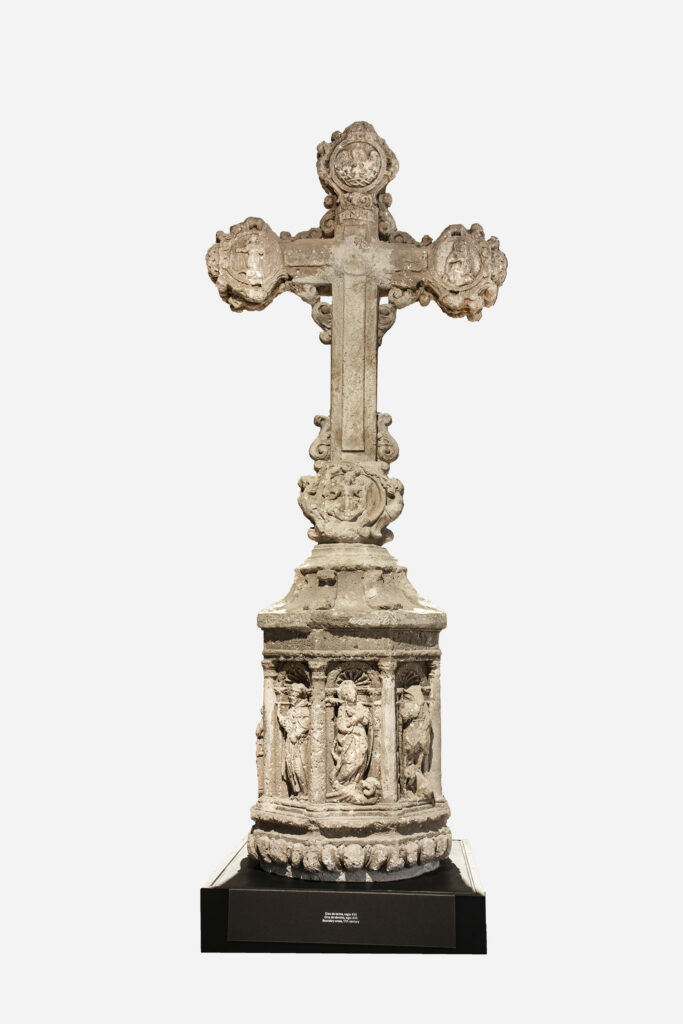
TERMITE CROSS
TERMITE CROSS
Sandstone
Archaeological Museum of the City of Dénia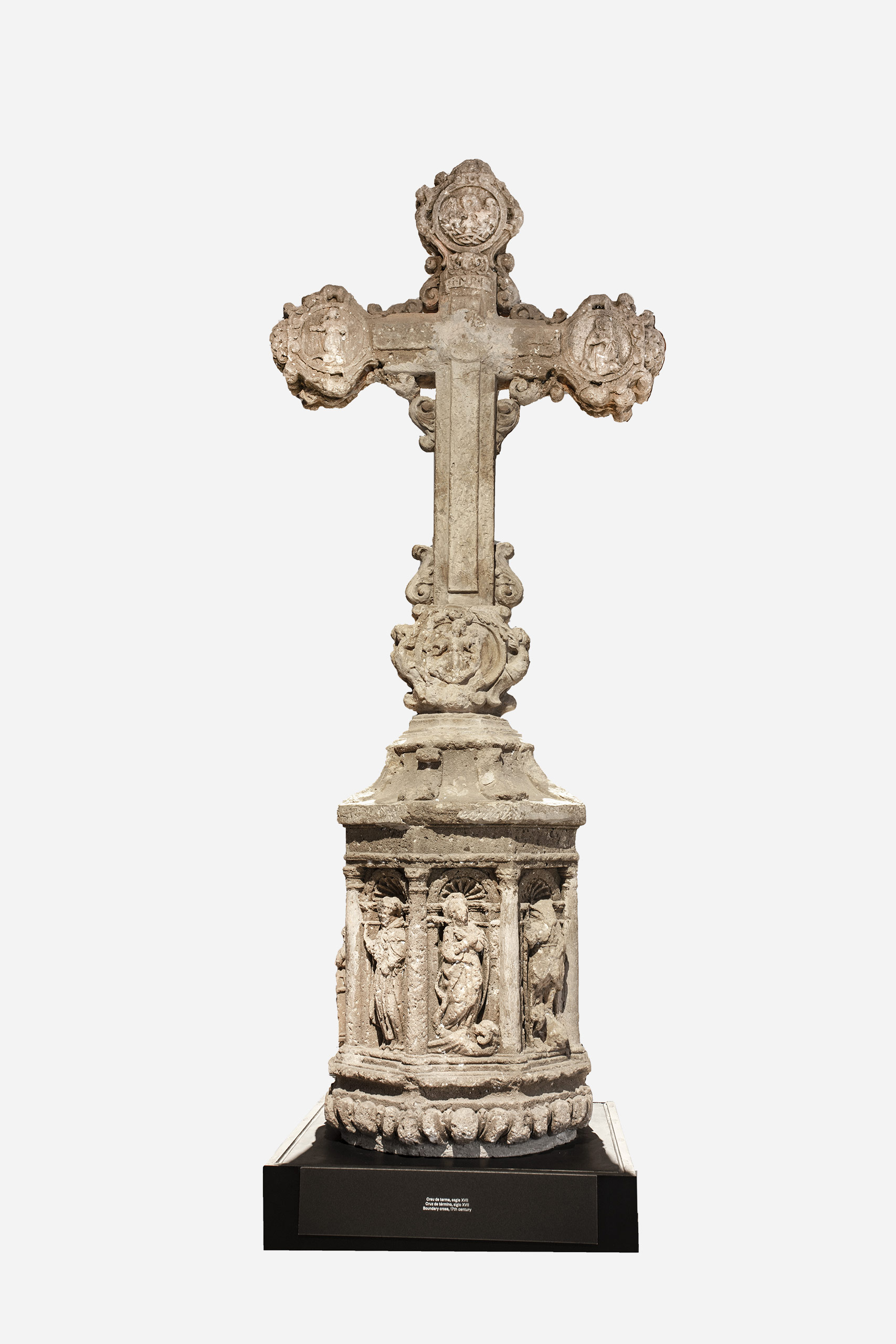
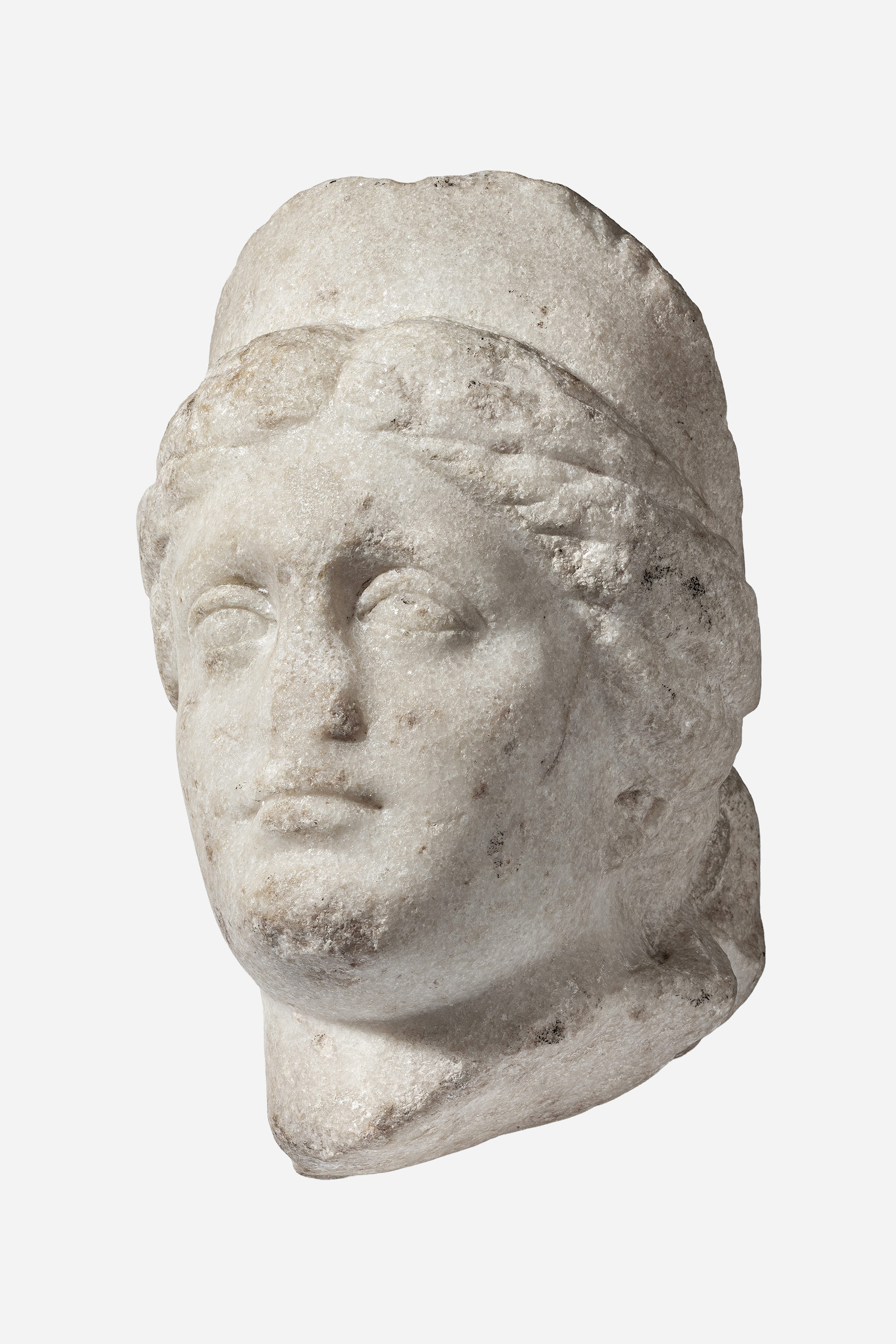
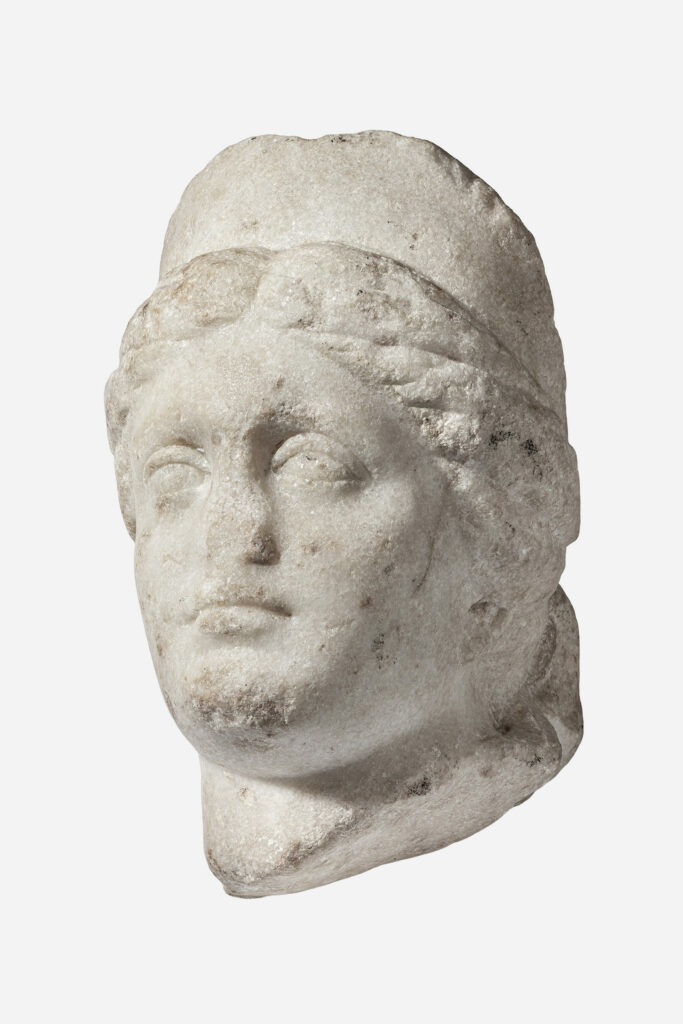
FEMALE HEAD WITH HEADBAND
FEMALE HEAD WITH HEADBAND
Dianium white marble. Territorium
Estate of Tomás Mulet. Partida Pont Sec