

the Iberian funerary stele of Altea la Vella
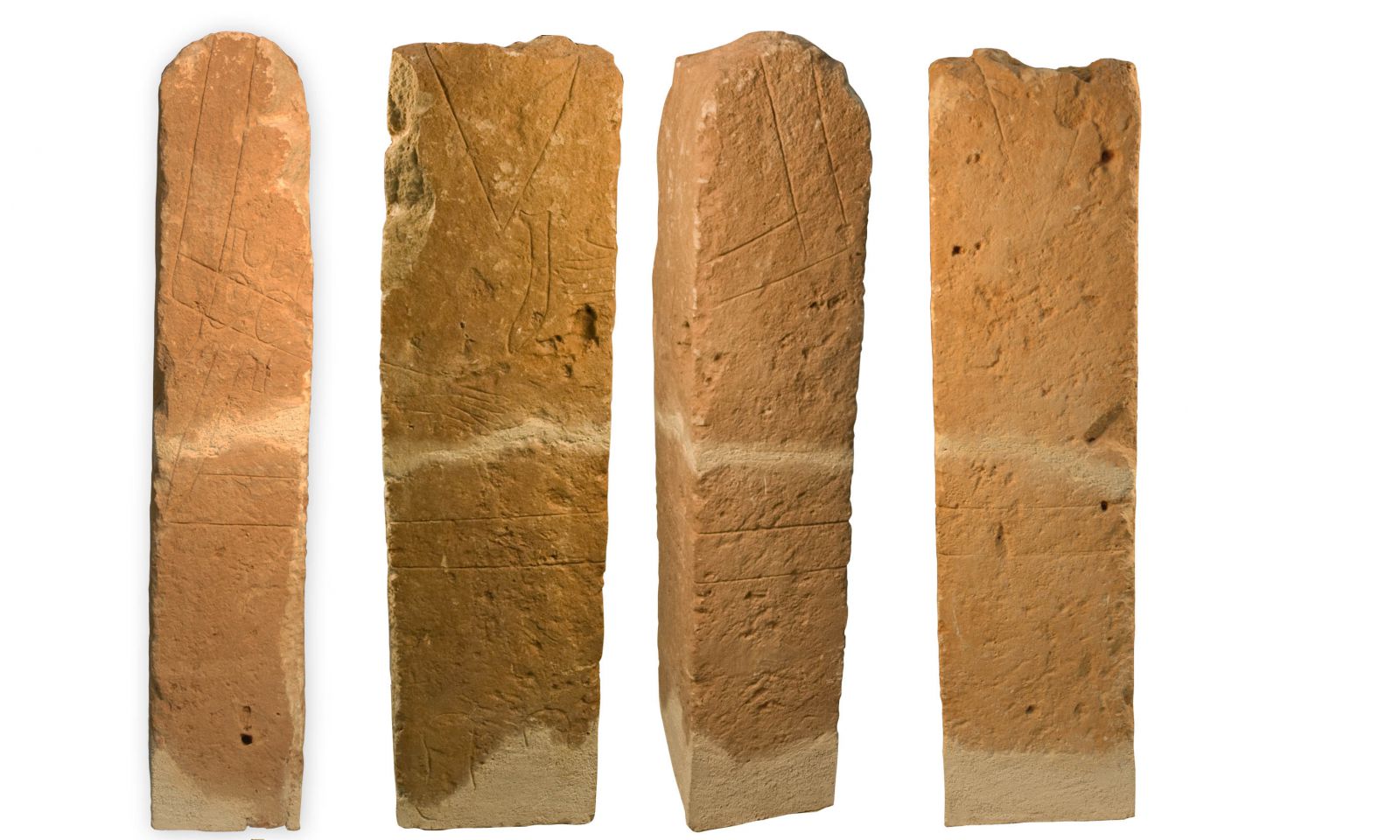
The Iberian funerary stele of Altea la Vella is the most important piece of movable heritage in Altea. It is of great importance in Iberian iconography, as it is one of the few ancient funerary stelae with the representation of a warrior, equipped with his own warrior's panoply. It was found accidentally in 1972 in the space of a known Iberian necropolis that had been plundered since the beginning of the 20th century. The few known materials were not studied until the 1980s.
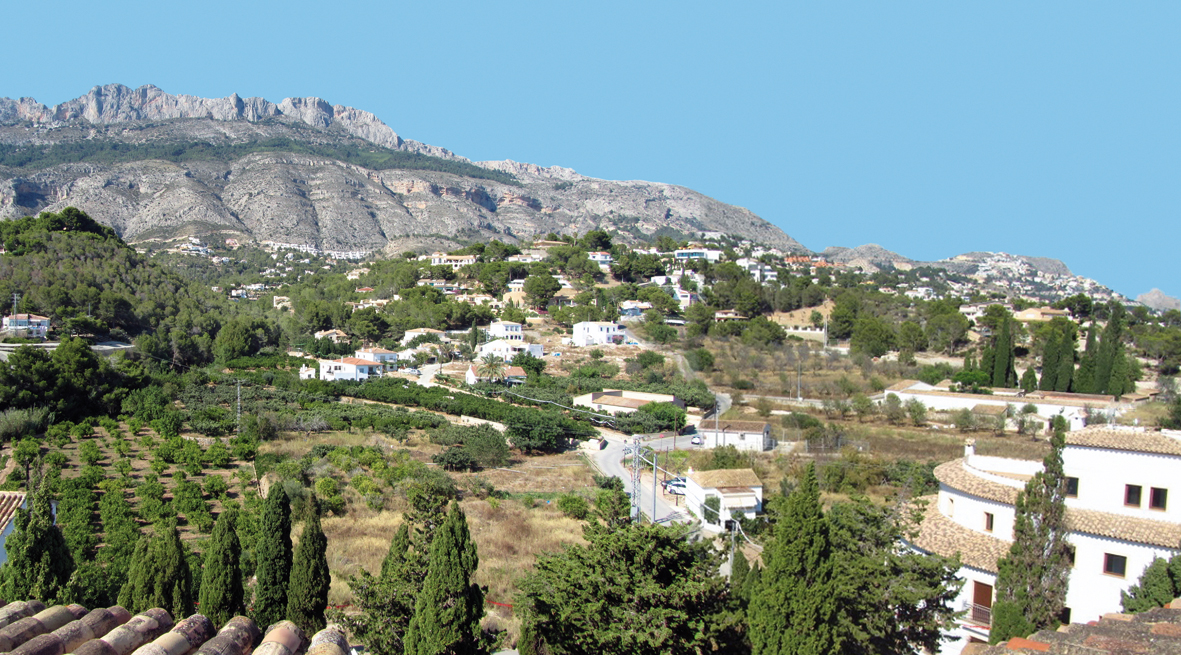
The necropolis belonged to and provided burial services for the Iberian settlement a few metres to the south, the site of Altea la Vella. The materials from the settlement have been dated to between the second half of the 6th century BC and throughout the 5th century BC. The chronology of the materials from the necropolis is similar, and places it between the end of the 6th century BC and an undetermined time in the 5th century BC. In any case, these are cultural manifestations typical of a society from the Early Iberian period.
The stele is made of fine-grained, highly porous sandstone. An incised and rubbed engraving schematically depicts the panoply of a warrior's equipment, a hoplite. In it we can distinguish elements such as a sword with an antennae hilt and straight blade, a bladed knife for personal use, a possible glove or mitten, a hypothetical linothorax or breastplate made of layers of linen, the Samnite-looking belt made of bronze sheeting and the shin-guard greaves. All of these were symbols of status and prestige for the wearer.
.jpg)
The funerary stele is a symbol of the immortality sought by the person buried under it, with the intention of perpetuating his memory and ensuring his afterlife. The elements represented are symbols of the hero's hierarchy and, at the same time, charged with religious symbolism, they ensured his protection and that of all those who approached him.
.jpg)
The stele of Altea la Vella is part of the funerary cultural manifestations of the Iron Age, following previous influences and those of its own time. Manifestations derived from the internal dynamics of the society itself and from the cultural contacts with other peoples, from the interior of the peninsula, from central and northern Europe and, especially, from the exchange and encounter route that is the Mediterranean.